
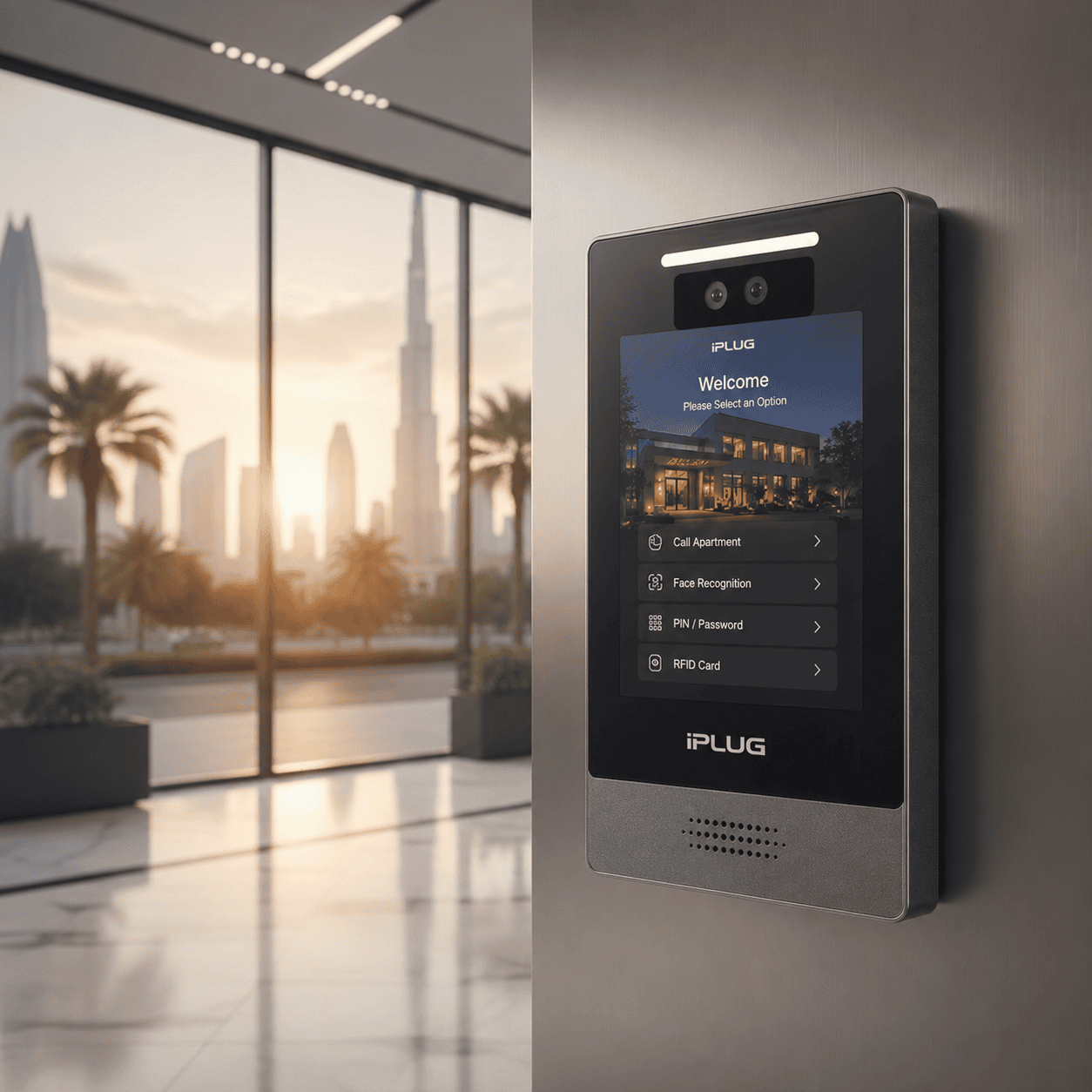
The Future of Access Control Security in Smart Buildings
The Future of Access Control Security in Smart Buildings is transforming how businesses, commercial properties, residential complexes, hospitals, and educational institutions protect their people and assets. As technology continues to evolve, traditional lock-and-key systems are being replaced by intelligent security solutions that offer greater convenience, flexibility, and control.
A modern access control system allows organizations to manage entry permissions, monitor activities in real time, and improve overall access control security. Technologies such as biometric authentication, RFID card and reader solutions, facial recognition, and cloud-based management are becoming standard features in today’s smart buildings.
Whether you manage a corporate office, apartment complex, or industrial facility, understanding The Future of Access Control Security in Smart Buildings can help you make better security decisions and prepare your property for the next generation of intelligent building management.
What Is Access Control Security?
Access control security is a method of managing and restricting entry to buildings, offices, or sensitive areas so that only authorized individuals can gain access.
Unlike traditional locks, a modern access control system uses advanced authentication methods such as:
- Fingerprint Recognition
- RFID Card and Reader
- PIN Code
- Face Recognition
- Mobile Credentials (supported models)
These technologies improve both security and convenience while reducing the risks associated with physical keys.
The Future of Access Control Security in Smart Buildings
Modern buildings are becoming smarter every year. Here are some of the biggest trends shaping the future of security.
1. Cloud-Based Access Control Systems
Traditional security systems require on-site management.
Modern access control system solutions now offer cloud-based management, allowing administrators to control access permissions, monitor activities, and manage multiple locations remotely.
This improves operational efficiency while strengthening access control security.
2. Contactless Authentication
The demand for contactless entry continues to grow.
Technologies such as RFID card and reader, mobile credentials, facial recognition, and touchless authentication improve both convenience and hygiene while maintaining high security standards.
3. Artificial Intelligence for Smarter Security
Artificial Intelligence (AI) is becoming an important part of modern building access control systems.
AI-powered security solutions can identify unusual access patterns, detect suspicious activity, and generate intelligent alerts, helping organizations respond to potential security threats more quickly.
4. Biometric Authentication
Fingerprint and facial recognition technologies are replacing traditional passwords and physical keys.
Modern door access control systems use biometric authentication to ensure that only authorized individuals can unlock an access control system door.
This significantly improves access control security.
5. Integrated Building Management
Smart buildings are increasingly integrating access control system technology with:
- CCTV Cameras
- Visitor Management Systems
- Video Door Phones
- Fire Alarm Systems
- Attendance Management
This creates a centralized security platform that simplifies monitoring and improves overall building management.
6. Enhanced Data Security
As businesses rely more on digital systems, protecting sensitive information becomes equally important.
Modern building access control systems encrypt user credentials and access records, helping organizations maintain higher levels of access control security and regulatory compliance.
7. Scalable Security Solutions
Growing businesses require flexible security systems.
Modern access control system solutions allow organizations to add more users, doors, and locations without replacing existing infrastructure.
This makes them suitable for startups, enterprises, educational institutions, hospitals, and commercial buildings.
8. Internet of Things (IoT) Integration
One of the biggest trends shaping The Future of Access Control Security in Smart Buildings is the integration of the Internet of Things (IoT). Modern access control systems can communicate with smart lighting, HVAC systems, elevators, and surveillance cameras to create a connected building environment.
For example, when an authorized employee enters using an RFID card and reader, the system can automatically unlock the access control system door, switch on office lights, and activate climate control in the assigned workspace. This improves convenience, energy efficiency, and overall access control security.
9. Mobile-Based Access Control
Smartphones are becoming digital access credentials.
Instead of carrying physical cards or keys, employees can use secure mobile applications to unlock doors, receive temporary visitor passes, and manage access permissions. Mobile-enabled door access control systems reduce the risk of lost access cards while making entry faster and more convenient.
As mobile technology continues to evolve, it will play an even bigger role in building access control systems.
10. Sustainable and Future-Ready Security
Modern organizations are focusing on sustainability as well as security. Cloud-managed access control system solutions reduce paperwork, simplify administration, and eliminate the need for frequent key replacements.
Energy-efficient building access control systems also help optimize building operations by integrating with smart automation systems. This creates a secure, intelligent, and environmentally friendly workplace that is ready for future technological advancements.
Benefits of Future-Ready Access Control Systems
Investing in a modern access control system provides more than just security. It helps organizations improve operational efficiency, simplify employee management, and prepare for future technological developments.
Some of the key benefits include:
- Enhanced access control security
- Convenient keyless entry
- Better visitor management
- Remote monitoring and administration
- Scalable security for growing businesses
- Improved integration with smart building technologies
- Reliable performance through RFID card and reader solutions
- Reduced dependence on traditional keys
These advantages make intelligent door access control systems an essential part of every smart building.
Why Choose iPlug Access Control Systems?
At iPlug, we provide advanced access control security solutions designed for offices, apartment buildings, educational institutions, hospitals, factories, hotels, and commercial properties.
Why Choose iPlug?
- Advanced access control system technology
- Secure door access control systems
- Reliable RFID card and reader solutions
- Fingerprint, PIN, RFID, and Face Recognition support (model dependent)
- Premium-quality hardware
- Easy installation and maintenance
- Scalable building access control systems
- High-performance access control security
- Dedicated Unlimited Customer Support
Our solutions are built to meet the evolving security needs of modern smart buildings.
Frequently Asked Questions
What is the future of access control security in smart buildings?
The Future of Access Control Security in Smart Buildings includes cloud-based management, artificial intelligence, IoT integration, biometric authentication, mobile credentials, and advanced access control system technologies that improve safety and efficiency.
What is an access control system?
An access control system is an electronic security solution that allows only authorized users to enter restricted areas using authentication methods such as fingerprints, PIN codes, facial recognition, or an RFID card and reader.
Why are building access control systems important?
Building access control systems help organizations protect employees, visitors, confidential information, and valuable assets while simplifying access management.
How do RFID card and reader solutions improve security?
An RFID card and reader provides secure, contactless authentication that allows only authorized users to access protected areas quickly and efficiently.
Why choose iPlug Access Control Systems?
iPlug offers reliable access control security solutions with advanced technology, scalable deployment, premium-quality hardware, and Dedicated Unlimited Customer Support.
Conclusion
Understanding The Future of Access Control Security in Smart Buildings helps businesses prepare for a safer and more connected future. A modern access control system provides intelligent security through biometric authentication, cloud management, mobile access, and RFID card and reader technology. These innovations improve access control security, simplify user management, and support the growing needs of smart buildings.
Whether you manage an office, apartment complex, educational institution, healthcare facility, or commercial property, investing in advanced building access control systems is a smart long-term decision. With iPlug Access Control Systems, you receive cutting-edge technology, dependable performance, and Dedicated Unlimited Customer Support, ensuring your property is ready for the future of intelligent security.
