
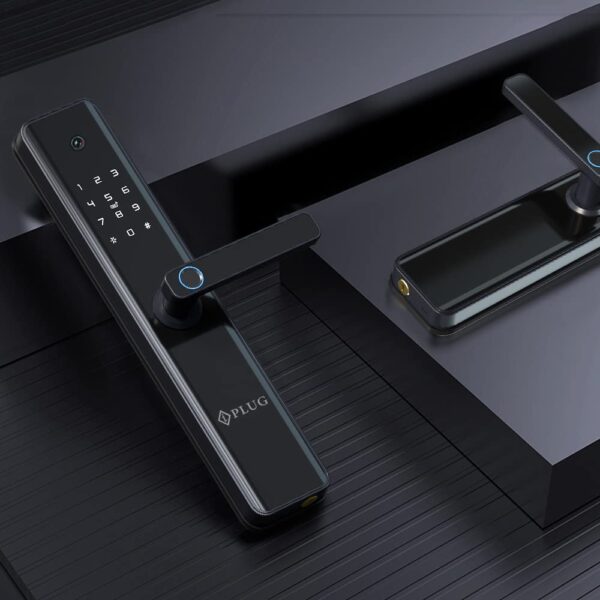
10 Common Myths About Smart Locks
Smart door locks have become one of the most popular home security upgrades in recent years. They offer convenience, advanced security, and keyless access, making everyday life easier for homeowners. However, despite their growing popularity, many people still believe outdated information that creates confusion about smart lock technology.
These 10 Common Myths About Smart Locks often stop homeowners from upgrading to a safer and more convenient security solution. In reality, modern smart locks are designed with advanced technology, multiple authentication methods, and reliable backup options that make them suitable for apartments, villas, independent homes, and offices.
Understanding the facts behind these myths will help you make a confident and informed decision when choosing a smart door lock.
10 Common Myths About Smart Locks Explained
Before investing in a smart door lock, it’s important to understand the 10 Common Myths About Smart Locks that continue to circulate online. Most of these myths are based on outdated information or misunderstandings about how modern smart locks actually work.
Let’s separate myths from reality.
Myth 1: Smart Locks Are Easy to Hack
Many homeowners believe smart locks are less secure than traditional locks.
Reality
Modern smart locks use advanced encryption, secure authentication, and multiple verification methods such as fingerprint recognition, PIN codes, RFID cards, and backup keys. When installed correctly and maintained properly, they provide excellent protection for homes.
Myth 2: Smart Locks Stop Working During Power Cuts
A common misconception is that smart locks depend on your home’s electricity.
Reality
Most smart locks operate on internal batteries, allowing them to function even during power outages. They also provide low-battery alerts and emergency backup options so you are never left stranded.
Myth 3: Traditional Locks Are More Secure
Some homeowners trust mechanical locks simply because they have been used for decades.
Reality
Traditional keys can be lost, copied, or stolen. Smart locks reduce these risks by offering multiple secure authentication methods and improved access management.
Myth 4: Smart Locks Are Difficult to Use
People often assume smart locks are complicated.
Reality
Modern smart locks are designed for simplicity. Unlocking your door using a fingerprint or PIN code is often faster and easier than searching for physical keys.
Myth 5: Smart Locks Are Only for Luxury Homes
Many believe smart locks are only suitable for expensive villas.
Reality
Today, smart locks are widely used in apartments, independent houses, rental properties, offices, and gated communities. They have become an affordable security upgrade for every type of home.
Myth 6: If the Battery Dies, You Cannot Unlock the Door
This is one of the biggest concerns among first-time buyers.
Reality
Quality smart locks include backup solutions such as mechanical keys or emergency power support. Low-battery notifications also give users enough time to replace batteries before they run out.
Myth 7: Smart Locks Require Internet All the Time
Many people think a smart lock becomes useless without Wi-Fi.
Reality
Most smart locks continue to perform their primary locking and unlocking functions without an internet connection. Internet access is only required for certain remote features available on supported models.
Myth 8: Smart Locks Need Frequent Maintenance
Some homeowners believe smart locks require constant servicing.
Reality
Smart locks require very little maintenance. Replacing batteries when needed and keeping the device clean is generally enough to ensure reliable performance for years.
Myth 9: Installation Is Difficult
Many people think installing a smart lock is a complicated process.
Reality
Professional installation is quick and straightforward for most compatible doors. Once installed, the lock is easy to operate and manage.
Myth 10: Smart Locks Are Not Worth the Investment
Some homeowners believe traditional locks provide everything they need.
Reality
Smart locks offer better security, keyless convenience, multiple unlocking options, and a modern user experience. They also improve property value and provide greater peace of mind for families.
Why Modern Smart Locks Are a Better Choice
After understanding these 10 Common Myths About Smart Locks, it’s clear that modern smart locks provide much more than simple keyless entry.
Some major benefits include:
- Fingerprint authentication
- PIN code access
- RFID card support
- Keyless convenience
- Premium modern design
- Reliable backup options
- Improved home security
- Easy access for family members
- Long-lasting performance
Modern smart locks help homeowners enjoy greater convenience while maintaining a high level of security.
Why Choose iPlug Smart Door Locks?
At iPlug, we design smart locking solutions that combine innovation, security, and convenience for modern homes and offices.
Why Choose iPlug?
- Advanced fingerprint technology
- Multiple unlocking methods
- PIN code, RFID card, fingerprint, and mechanical key access
- Premium build quality
- Elegant modern design
- Easy installation
- Reliable long-term performance
- Dedicated Unlimited Customer Support
- Suitable for apartments, villas, offices, and independent homes
With iPlug, you receive advanced security solutions backed by excellent customer service whenever you need assistance.
Frequently Asked Questions
Are smart locks secure?
Yes. Modern smart locks use advanced encryption and multiple authentication methods to provide strong protection.
Can smart locks work without electricity?
Yes. Most smart locks operate on batteries and continue working during power outages.
Are smart locks suitable for Indian homes?
Absolutely. They are ideal for apartments, villas, independent houses, and gated communities.
Why choose iPlug Smart Locks?
iPlug offers advanced technology, reliable quality, easy operation, and Dedicated Unlimited Customer Support for complete peace of mind.
Conclusion
These 10 Common Myths About Smart Locks continue to create confusion among homeowners, but modern smart lock technology has successfully addressed these concerns. By understanding the facts, you can confidently choose a smart lock that delivers better security, greater convenience, and reliable performance.
With iPlug Smart Door Locks, you receive advanced protection, stylish design, multiple unlocking options, and Dedicated Unlimited Customer Support. It’s a smart investment that helps create a safer and smarter home for your family.
