
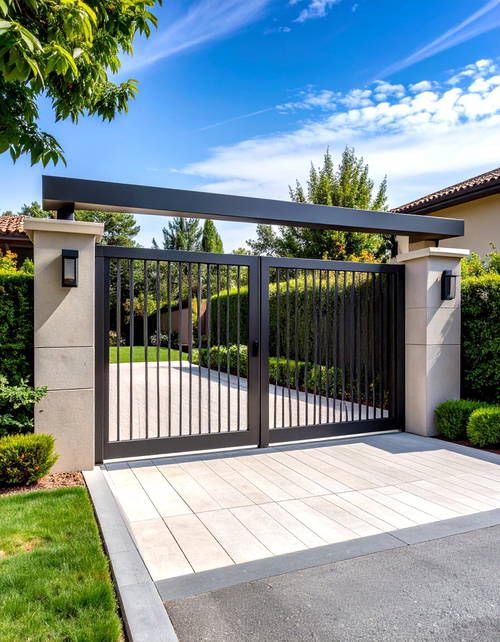
Access Control for Gated Communities
Gated communities are designed to provide residents with a secure and peaceful living environment. However, as residential communities continue to grow, managing access for residents, visitors, delivery personnel, and service providers becomes increasingly challenging. Traditional security methods such as manual registers and physical keys are no longer sufficient to meet modern security expectations.
This is where Access Control for Gated Communities becomes an essential solution. By using advanced technologies such as fingerprint authentication, RFID cards, PIN codes, face recognition (supported models), and digital visitor management, gated communities can significantly improve security while making entry faster and more convenient for everyone.
What Is Access Control for Gated Communities?
Access Control for Gated Communities is a modern security solution that regulates who can enter and exit a residential community. Instead of relying solely on traditional keys or manual verification, residents and authorized visitors use secure digital authentication methods.
These systems help ensure that only approved individuals can access the community, reducing security risks while improving convenience for residents and management teams.
Stronger Security for Every Resident
One of the biggest advantages of Access Control for Gated Communities is improved security. Traditional security methods often depend on manual checks, which can lead to errors or unauthorized access.
Modern access control systems verify users before allowing entry, helping protect residents, children, senior citizens, and community property. This additional layer of protection creates a safer environment for everyone.
Seamless Entry for Residents
Residents expect quick and hassle-free access to their homes.
With smart access systems, there is no need to carry multiple keys or wait for manual verification. Residents can enter using fingerprint recognition, PIN codes, RFID cards, or other supported access methods, making everyday entry smooth and efficient.
Smarter Visitor Management
Visitors arrive daily in gated communities, including guests, delivery executives, maintenance staff, domestic helpers, and service providers.
An advanced access control system works alongside visitor management solutions to verify visitors before entry. Digital approvals and secure verification help reduce waiting time while maintaining high security standards.
Better Control Over Common Facilities
Most gated communities include shared amenities such as:
- Clubhouses
- Swimming pools
- Fitness centres
- Community halls
- Children’s play areas
- Parking zones
Using Access Control for Gated Communities, administrators can restrict access to these facilities so that only authorized residents can use them, improving both security and facility management.
Easy Management for Community Administrators
Managing hundreds of residents manually is difficult.
Digital access control simplifies user management by allowing administrators to update resident access, manage visitor permissions, and monitor entry records efficiently. This reduces paperwork while improving operational efficiency.
Future-Ready Community Security
Modern homebuyers increasingly prefer communities equipped with advanced technology.
Installing Access Control for Gated Communities demonstrates a commitment to safety, convenience, and innovation. It also enhances the overall value of the property while improving the resident experience.
Why Choose iPlug Smart Access Solutions?
At iPlug, we provide advanced access control solutions that help gated communities improve security and simplify daily operations.
Why Choose iPlug?
- Advanced fingerprint authentication
- Multiple unlocking methods
- RFID card and PIN code access
- Face recognition support (selected models)
- Reliable and durable performance
- Easy installation
- Premium-quality design
- Dedicated Unlimited Customer Support
- Ideal for gated communities, apartments, villas, and residential societies
Whether you’re a builder, housing society, or property management company, iPlug delivers reliable smart access solutions for modern communities.
Frequently Asked Questions
What is Access Control for Gated Communities?
It is a smart security system that manages resident and visitor entry using technologies such as fingerprint recognition, RFID cards, PIN codes, and face recognition.
How does access control improve community security?
It prevents unauthorized entry, simplifies resident access, improves visitor management, and provides better monitoring of entry points.
Is access control suitable for existing gated communities?
Yes. Modern access control systems can be installed in both newly developed and existing residential communities.
Why choose iPlug Smart Access Solutions?
iPlug offers advanced smart security products, reliable performance, easy installation, and Dedicated Unlimited Customer Support, ensuring a smooth experience before and after installation.
Conclusion
As residential communities continue to expand, traditional security methods are no longer enough to meet modern expectations. Access Control for Gated Communities provides stronger security, efficient visitor management, convenient keyless entry, and improved control over community access.
With iPlug Smart Access Solutions, gated communities benefit from innovative technology, dependable performance, and Dedicated Unlimited Customer Support. Investing in smart access control today helps create a safer, smarter, and more secure community for residents and visitors alike.
