
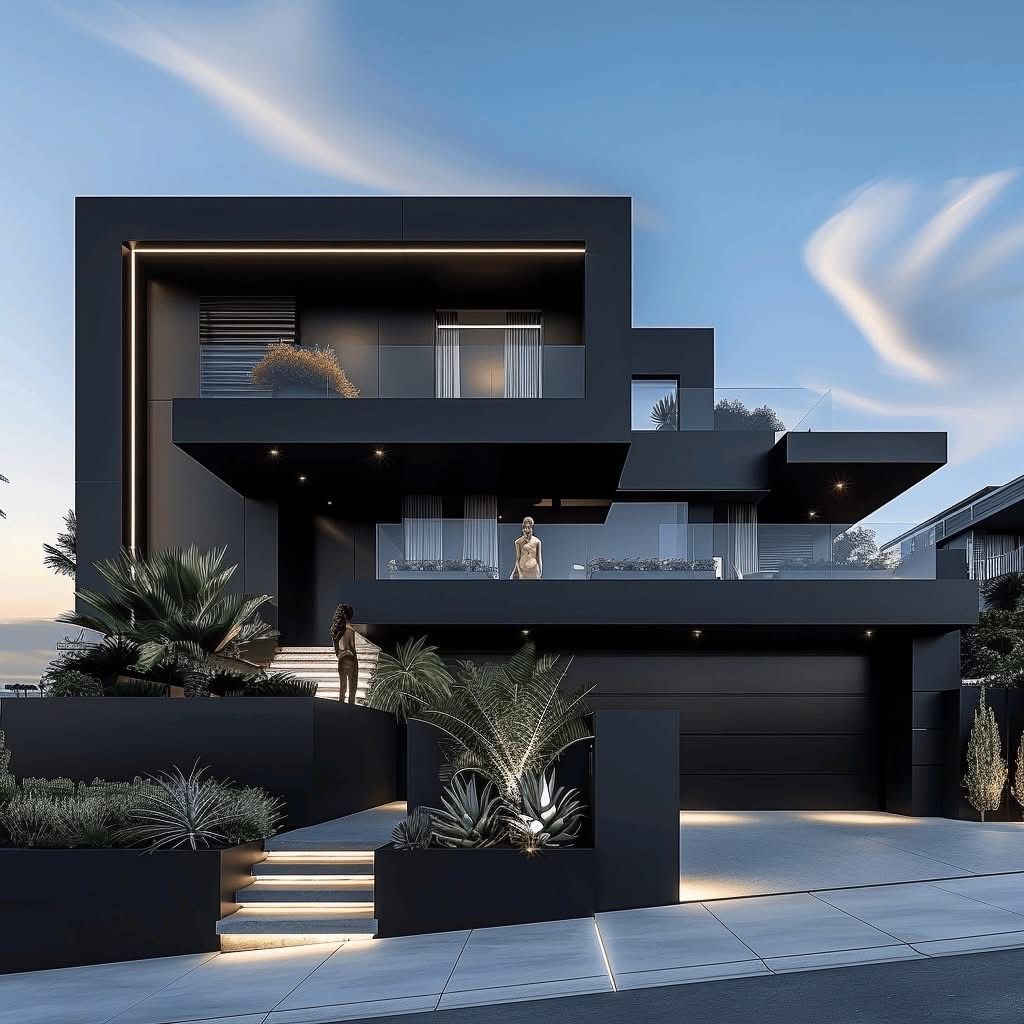
The Future of Smart Home Security
Home security has evolved significantly over the past decade. Traditional locks and standalone alarm systems are gradually being replaced by connected technologies that offer greater convenience, control, and protection.
As smart homes become more common, security systems are also becoming more intelligent. The future of smart home security will be driven by advanced technologies that help homeowners protect their properties more effectively while simplifying everyday life.
The Shift Toward Connected Security
Modern homeowners want more than just protection from unauthorized entry. They want complete visibility and control over their homes, even when they are away.
Smart home security systems are increasingly connecting multiple devices through a single platform, including:
- Smart locks
- Security cameras
- Video door phones
- Motion sensors
- Access control systems
- Mobile applications
This connected ecosystem allows homeowners to monitor and manage security from virtually anywhere.
Biometric Authentication Will Become More Common
Biometric technology is expected to play a major role in the future of home security.
Instead of relying on traditional keys, homeowners are increasingly using:
- Fingerprint recognition
- Face recognition
- Palm recognition
- Multi-factor authentication
These technologies offer greater convenience while helping reduce the risks associated with lost or duplicated keys.
Artificial Intelligence Will Improve Security
Artificial Intelligence (AI) is transforming the way security systems operate.
Future smart home security solutions may use AI to:
- Detect unusual activity
- Identify known individuals
- Reduce false alarms
- Analyze visitor behavior
- Improve threat detection
AI-powered systems can help homeowners respond more quickly to potential security concerns.
Smart Locks Will Continue to Evolve
Smart locks are already one of the most popular smart home devices, and their capabilities are expected to expand further.
Future smart locks may offer:
- Faster biometric recognition
- Enhanced mobile access
- Improved battery efficiency
- Advanced encryption technologies
- Seamless integration with smart home ecosystems
These advancements will make access control even more secure and convenient.
Greater Remote Access and Control
Remote management has become an essential feature of modern security systems.
Homeowners increasingly expect the ability to:
- Lock and unlock doors remotely
- Monitor entry activity
- Manage visitor access
- Receive real-time notifications
- Control multiple security devices through a single application
This level of flexibility is expected to become standard in future security solutions.
Integration with Home Automation
The future of smart home security goes beyond individual devices.
Security systems will become more deeply integrated with:
- Smart lighting
- Voice assistants
- Climate control systems
- Home automation platforms
- Energy management systems
This integration will help create safer, more responsive living environments.
Enhanced Privacy and Data Protection
As security systems become more connected, protecting user data will become increasingly important.
Manufacturers are expected to invest heavily in:
- Advanced encryption
- Secure cloud infrastructure
- User privacy controls
- Cybersecurity enhancements
These measures will help ensure that convenience does not come at the expense of security.
What Does This Mean for Homeowners?
The future of smart home security is focused on creating systems that are:
- More intelligent
- More connected
- More secure
- More convenient
- Easier to manage
Homeowners will benefit from greater control over their properties while enjoying a more seamless and personalized security experience.
Why Choose iPlug Smart Door Locks?
At iPlug, we are committed to making homes safer with innovative security solutions that combine technology, convenience, and reliability.
Why Choose iPlug?
- Advanced fingerprint technology
- Multiple unlocking methods
- PIN, fingerprint, RFID card, and mechanical key access
- Premium modern design
- Easy installation
- Reliable performance
- High-security features
- Dedicated Unlimited Customer Support
- Suitable for apartments, villas, homes, and offices
Our smart door locks are designed to meet the evolving needs of modern families while delivering dependable performance every day.
Conclusion
The future of smart home security is being shaped by innovations in artificial intelligence, biometric authentication, smart locks, and connected home technologies. As these solutions continue to evolve, homeowners can expect higher levels of protection, improved convenience, and greater control over their living environments.
Smart home security is no longer just about locking doors—it is about creating a fully connected ecosystem that helps protect homes, families, and everyday lifestyles in smarter and more efficient ways.
